LANGUAGE


Please select the language that suits you
LANGUAGE 
From Inquiry to Mass Production: The Real ODM Timeline for Compact Equipment
[ Time:2026-11-20 View:9次 ]
There is a question almost every equipment buyer asks when discussing a new ODM project: How soon can you deliver?
It sounds simple enough. A distributor has found a compact excavator that fits the market, wants a different engine configuration, a new paint color, and its own company logo. The manufacturer provides an estimated lead time, and both sides start discussing the order.
A few weeks later, the conversation changes. The requested engine needs a different mounting arrangement. A hydraulic connection does not match the original design. The packaging needs to accommodate an additional component. Suddenly, the delivery date discussed at the beginning is no longer realistic.
Anyone who has worked with machinery manufacturing will recognize this situation. The difficult part of an ODM project is rarely putting a logo on a machine. It is making sure every requested change works without creating another problem somewhere else.
The First Delay Often Happens Before Production
Many buyers assume the factory starts working as soon as the purchase requirements are received. In practice, the first few discussions can determine how smoothly the entire project develops.
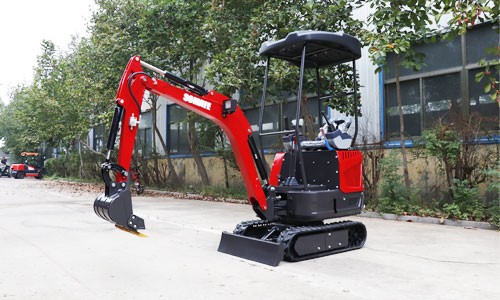
Take a mini excavator intended for a European distributor. The buyer may request a particular engine brand, a different canopy design, and additional hydraulic lines for attachments.
Each request sounds reasonable individually. Together, however, they affect the machine's configuration.
The engine needs to fit the existing frame. Additional hydraulic lines must be routed without interfering with moving components. The canopy may require changes to mounting points or protective structures.
If these details are not discussed before the quotation is confirmed, they tend to return later as revisions.
A useful first step is to separate essential requirements from preferences. Engine performance, operating weight, hydraulic compatibility, and safety-related features may be fundamental to the machine's intended use. Paint color, logo placement, and certain packaging changes are generally easier to arrange.
This distinction helps both the buyer and manufacturer concentrate on the changes that actually affect engineering.
Why Changing One Component Can Affect the Whole Machine
Compact equipment is more integrated than it sometimes appears.
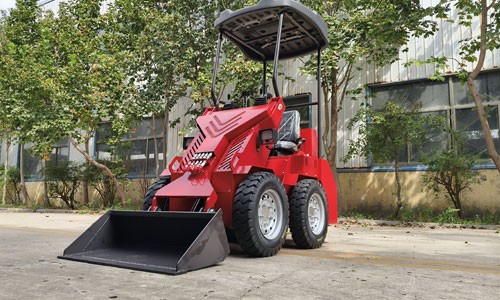
A skid steer loader is a good example. A buyer might request higher hydraulic flow because local customers regularly operate demanding attachments. That request may involve more than installing a different hydraulic pump.
The engineers may need to review the hydraulic circuit, cooling capacity, hose specifications, engine power, and compatibility with the attachment interface.
The same applies to a mini excavator. Changing the engine can affect mounting dimensions, cooling arrangements, electrical connections, and overall machine balance.
This is where an experienced manufacturer makes a difference. Instead of immediately agreeing to every requested change, the engineering team should explain which modifications are straightforward and which require additional development.
For buyers, an honest technical discussion is much more valuable than receiving an unrealistically short delivery estimate.
The First Machine Is a Test, Not a Finished Promise
One of the most misunderstood parts of ODM manufacturing is sample approval.
A buyer receives photographs of a customized machine and sees the requested logo, color, and general appearance. It is tempting to assume the project is nearly complete.
But appearance is only one part of the evaluation.
A customized road roller, for instance, may look exactly as expected while still requiring adjustments to operating controls or protective covers. A remote-controlled mower may have the requested appearance but need further evaluation of its wireless control response and cutting performance.
This is why the first machine should be treated as a working reference rather than simply a presentation sample.
The buyer and manufacturer should agree on what needs to be checked before approval. That may include starting performance, operating functions, hydraulic operation, attachment compatibility, and the quality of the finished assembly.
There is also a practical commercial reason to take this stage seriously. A problem discovered on one sample is usually easier to correct than the same problem discovered across an entire shipment.
So, How Long Does an ODM Project Really Take?
The honest answer depends on what the buyer wants to change.
If the project uses an existing machine platform and only involves branding, paint, selected accessories, or relatively minor configuration changes, development can move comparatively quickly.
A project involving a different engine, structural modifications, new tooling, or a redesigned hydraulic system is a different matter. It may require additional engineering, component sourcing, sample revisions, and testing.
For an initial planning discussion, a relatively straightforward compact equipment ODM project might take around 12–20 weeks from technical agreement to the first production shipment.
That is a working estimate, not a guaranteed delivery schedule. The actual time depends on the machine, factory capacity, component availability, approval speed, and scope of customization.
In our experience of how machinery projects are typically organized, one of the biggest sources of unnecessary delay is waiting for decisions that could have been made earlier.
A buyer may spend two weeks comparing logo positions or paint samples while an essential engine specification remains unconfirmed. The factory cannot sensibly finalize the production arrangement until the important technical details are settled.
The fastest projects are not necessarily those with the least development work. They are often the ones where both parties make decisions at the right time.
Why the First Production Order Deserves Extra Attention
Getting one customized machine right is not the same as producing fifty identical machines.
During the first production run, the factory needs to confirm that the approved configuration can be assembled consistently. Component supply, assembly instructions, inspection procedures, and packaging all become more important as production volume increases.
Consider a distributor ordering several different compact machines under one brand. If the first mini excavator is approved but the next batch uses slightly different electrical components, maintaining consistent spare-parts support may become difficult.
The same problem can occur with skid steer loaders or road rollers if component changes are not properly documented.
Buyers should therefore pay attention to the approved bill of materials, final specifications, inspection requirements, and identification of any approved substitutions.
A signed sample and a written technical specification provide a useful reference when the production order is inspected.
Start With One Product, Then Build the Range
Some distributors approach ODM with an ambitious plan: launch a complete equipment range under a new brand within a few months.
It is an attractive idea, but developing several unrelated machines simultaneously can create unnecessary pressure on engineering, purchasing, and quality control.
A more practical strategy is to start with a product that has clear local demand.
For example, a distributor specializing in small construction equipment might begin with a mini excavator. Once the configuration, branding, spare-parts arrangements, and production quality are established, adding a skid steer loader or mini road roller becomes easier to manage.
Manufacturers such as LEGAO offer several compact equipment categories, including excavators, skid steer loaders, road rollers, remote-controlled mowers, and related machinery. Buyers can explore the LEGAO ODM product range when considering suitable existing platforms.
The important point is to select products based on the market rather than simply choosing as many models as possible.
A Good ODM Project Should Still Make Sense After Delivery
A successful ODM project is not measured only by whether the first shipment leaves the factory on schedule.
The machines must perform as expected, replacement parts must remain identifiable, and the manufacturer must understand the agreed configuration when future orders are placed.
For a distributor building a private-label equipment business, these details matter long after the initial purchase.
Before starting a project, discuss the target market, required specifications, expected order quantity, customization scope, and planned launch date with the manufacturer. Ask which changes can use existing components and which require new engineering.
Most importantly, leave enough time for the first machine to be properly evaluated.
A realistic ODM equipment timeline may look less impressive on an initial quotation than an aggressive delivery promise. But a schedule built around actual engineering and production requirements is far more useful.
In machinery manufacturing, getting the first order out quickly is good. Being able to produce the same quality again, six months later, is what makes the partnership worth keeping.


Phone