LANGUAGE


Please select the language that suits you
LANGUAGE 
Sample Approval to Production: 7 Checkpoints That Prevent Costly Mistakes
[ Time:2026-11-23 View:7次 ]
Getting a machine sample approved is usually a good moment for both the buyer and the manufacturer. The machine looks right, the agreed configuration seems to be in place, and everyone is ready to move forward.
But I have always believed that this is where buyers need to slow down, not speed up.
A machine that performs well as a single sample does not automatically guarantee a successful production run. One overlooked component change, a slightly different hydraulic setup, or an unclear technical requirement can create problems across an entire shipment. By the time those problems reach the customer, fixing them may involve replacement parts, shipping costs, delays, and damaged business relationships.
That is why a proper sample approval process should go beyond checking whether a machine looks good. Before approving mass production, there are seven things worth getting right.
1. Look Beyond the Model Number
One mistake buyers sometimes make is assuming that machines carrying the same model number have identical specifications.
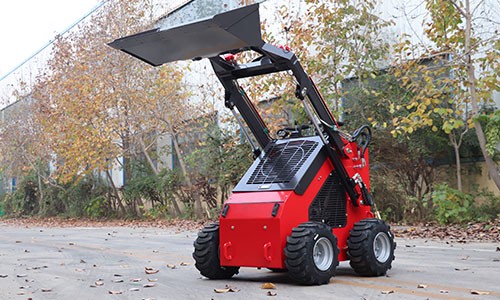
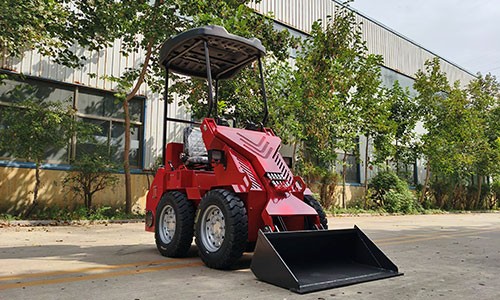
In reality, a mini excavator can be supplied with different engines, hydraulic components, track configurations, and attachments. The same applies to skid steer loaders and compact road rollers.
Take a 1.5-ton mini excavator as an example. Two machines may look almost identical, but differences in engine output or hydraulic performance can affect how they work on site.
Ask for the complete specification, not just a product brochure. Confirm operating weight, engine model, rated power, digging depth, hydraulic configuration, and standard attachments. More importantly, make sure the approved specification is the same document the factory will use during production.
A model name is a starting point. It is not a production agreement.
2. Pay Attention to What Is Under the Hood
From a buyer's perspective, a machine's appearance is easy to check. Its internal components require a little more attention.
Engine brands, hydraulic pumps, control valves, motors, electrical systems, and filters can all influence machine performance and long-term maintenance costs.
This becomes particularly important when ordering equipment for different markets. A distributor selling mini excavators in Europe may have different customer expectations from an importer supplying contractors in Australia or North America.
I would not accept vague descriptions such as "premium hydraulic system" or "high-quality engine" as final confirmation. Ask the supplier for actual component brands and model numbers.
If a manufacturer proposes a replacement component, that is not necessarily a problem. What matters is whether the change is communicated, evaluated, and approved before production.
3. Put the Machine to Work Before Signing Off
A machine can look impressive in a factory yard and still disappoint when it starts working.
This is why a practical performance test matters more than a quick demonstration.
With a mini excavator, I would want to see how smoothly the boom, arm, and bucket operate together. Check travel movement, turning response, digging performance, and hydraulic reactions under working conditions.
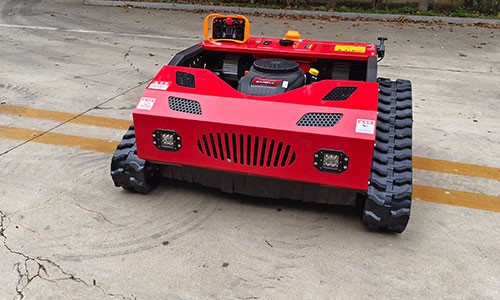
For a remote-controlled lawn mower, the questions are different. Does the remote respond consistently? Is the cutting result even? Can the machine handle the intended terrain within its rated operating limits?
There is no substitute for watching equipment perform its intended job.
If something feels inconsistent during testing, discuss it before approval. A small adjustment at the sample stage is usually much easier than dealing with complaints after delivery.
4. Make Sure Compliance Is More Than a Promise
Market requirements should be discussed long before the production order is released.
For buyers importing machinery into Europe, North America, or other regulated markets, documentation and applicable safety requirements can influence whether a machine is suitable for sale.
Check the relevant conformity documentation, safety labels, operator manuals, protective structures, and electrical requirements. Pay particular attention to whether the documents cover the exact model and configuration being purchased.
A certificate or declaration supplied for one machine should never be assumed to cover every variation in the same product family.
It is much better to clarify these details while the sample is still available than to discover a documentation problem when the shipment is already on its way.
5. Treat Branding and Packaging as Part of the Product
For OEM and ODM buyers, the machine is also a reflection of their own brand.
A slightly incorrect logo, inconsistent paint color, or poorly positioned warning label may seem minor at the factory. For a distributor selling under its own brand, these details can affect the entire customer experience.
Check the logo artwork, paint finish, decals, control-panel layout, and visible assembly quality against the approved design.
Packaging deserves the same attention. International shipping can involve multiple handling stages, so vulnerable components need appropriate protection. Confirm how spare parts are packed, how the machine is secured, and whether any removable components require separate packaging.
The sample should represent not only the machine customers will receive, but also how it will arrive.
6. Keep a Record of Exactly What Was Approved
Here is a situation worth avoiding: the buyer approves a sample, production begins, and a few weeks later the factory makes a small change. Both parties believe they are following the original agreement, but their understanding of the approved configuration is different.
This is where a golden sample record becomes useful.
Keep dated photographs, signed specifications, component lists, inspection results, and approved branding files. Record any agreed exceptions or modifications as well.
The purpose is not to create paperwork for its own sake. It is to give both sides a common reference when questions arise.
If a component, dimension, supplier, or finish needs to change later, the manufacturer should obtain approval rather than making the decision independently.
7. Do Not Assume One Approved Sample Guarantees Every Machine
This is perhaps the most important point of all.
Approving one machine does not mean the next 50 or 100 units will automatically have the same quality. Mass production introduces different challenges, from component consistency to assembly procedures and worker practices.
Before releasing the full order, agree on a quality control process covering incoming materials, assembly inspections, functional testing, and final pre-shipment checks.
For larger orders, inspecting the first production units is a sensible way to identify problems early. If an issue appears repeatedly, production can be reviewed before the remaining machines are completed.
Also agree on how defects will be documented, who is responsible for corrective action, and what inspection criteria will be used.
Good quality control should not depend on whether someone happens to notice a problem. It should be part of the production routine.
A Good Sample Is Only the Beginning
In machinery sourcing, getting the sample right is important. Getting mass production to match it is what really matters.
Buyers sometimes focus heavily on unit price and delivery time, which is understandable. But a cheaper order can quickly become an expensive one if the final machines differ from the approved configuration or fail to meet customer expectations.
For manufacturers offering OEM and ODM equipment, including mini excavators, skid steer loaders, lawn mowers, and compact road rollers, clear communication before production is just as important as manufacturing capability.
At LEGAO, different equipment models and customization requirements make early specification confirmation particularly relevant. Buyers should take the time to agree on components, performance expectations, branding, and inspection standards before releasing a bulk order.
My advice is simple: never approve a sample just because you are happy with the machine in front of you. Approve it because you know exactly what went into it, how it performed, and how the factory intends to reproduce it.
One good sample can win an order. Consistent production is what builds a business.


Phone