LANGUAGE


Please select the language that suits you
LANGUAGE 
Spare Parts Under Your Own Label: How Dealers Order and Stock
[ Time:2026-11-25 View:8次 ]
A machine can work perfectly for months, then stop because of a part that costs relatively little to replace. A worn mower blade, a damaged track, or a leaking hydraulic seal may not seem like a major issue. For the equipment owner, however, the real problem is lost working time.
For machinery dealers, this is where spare parts become more than an after-sales service. They are part of the business itself.
Some dealers rely entirely on the manufacturer's original packaging. Others prefer to sell replacement components under their own brand. The second option offers more control over product presentation and customer relationships, but it also means taking responsibility for what is inside the box.
The Parts Customers Remember Are Often the Small Ones
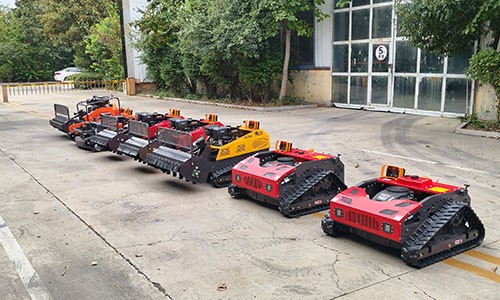
Think about a contractor using a remote-controlled lawn mower on a steep property. If a cutting blade becomes damaged, the customer wants a replacement that fits the machine and can be installed without unnecessary delays.
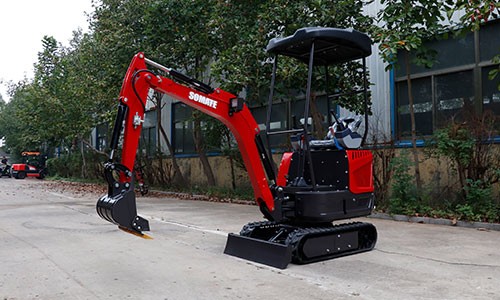
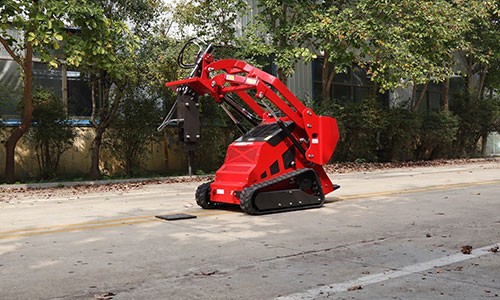
The same situation occurs with compact construction equipment. A mini excavator may need filters, bucket teeth, pins, or seals. A skid steer loader may require replacement components for its tracks or attachments.
These are very different products, but they have something in common: customers expect the dealer to know exactly which part fits their machine.
That is why I would not begin a private label project by choosing attractive packaging. I would begin with the equipment models already being sold and the replacement parts customers regularly ask for.
A useful parts catalogue should identify each component by machine model, part number, dimensions, and application. This is especially important when two machines look similar but use different fittings or component specifications.
Putting Your Name on a Part Is a Business Decision
Private label spare parts give dealers an opportunity to build a recognizable identity beyond the machines they sell.
For example, a mower distributor could offer replacement blades, belts, and maintenance items in branded packaging. A compact machinery dealer could develop its own range of filters, bucket teeth, and service components.
The packaging might carry the dealer's logo, product reference, barcode, and compatible machine models. This makes the products easier to identify and helps customers reorder without searching through an unfamiliar manufacturer's catalogue.
But branding should come after compatibility has been established.
A mower blade is not interchangeable simply because its dimensions appear similar. Mounting holes, material, thickness, balance, and cutting design all matter. The same applies to hydraulic seals and track components, where small specification differences can affect performance.
When discussing OEM or ODM spare parts with a Chinese manufacturer, provide existing part numbers, drawings, photographs, or physical samples whenever possible. Agree on the approved specifications before discussing the first production batch.
LEGAO's website presents OEM/ODM machinery solutions and related spare parts services. For dealers sourcing equipment such as remote-controlled lawn mowers, mini excavators, and skid steer loaders, this type of manufacturing relationship can be a starting point for discussing model-specific replacement parts and branded packaging.
The First Order Should Teach You Something
One of the easiest ways to make a mistake is to order too many different parts at once.
A large catalogue may look impressive, but slow-moving inventory occupies warehouse space and ties up money that could be used elsewhere. On the other hand, keeping no replacement parts available can damage customer confidence.
For a first order, I would focus on a limited selection of commonly serviced components. Look at previous customer requests, machine sales, maintenance schedules, and the manufacturer's recommendations.
Ask the supplier which items are standard stock and which require custom production. Also check minimum order quantities, sample costs, packaging requirements, and production lead times.
There is another detail worth discussing: how will the next order match the first one? Keep approved samples, drawings, part numbers, and packaging files on record. Otherwise, a replacement batch may look similar but differ in an important specification.
A Warehouse Full of Parts Is Not the Goal
Dealers sometimes measure their spare parts business by how much stock they hold. I think a better measure is how quickly they can supply the parts customers actually need.
Fast-moving items should be readily available. Expensive components with occasional demand may be better ordered when required, especially if the manufacturer can replenish them reliably.
It also makes sense to review stock before the busy season. Lawn mower blades and maintenance parts may see stronger demand during mowing months, while excavator and loader components follow the service needs of their respective customers.
Private label spare parts are not simply a way to put a logo on an existing product. They give dealers an opportunity to develop their own aftermarket business, improve repeat sales, and build a closer relationship with equipment owners.
The real value is not how many branded boxes sit on the warehouse shelves. It is whether a customer who needs a replacement part knows exactly where to get it — and trusts the dealer to supply the right one.


Phone